If you’re looking to build a stronger body, boost daily stamina, and create sustainable health habits, you’re in the right place. Many people struggle with inconsistent energy, confusing nutrition advice, and workout plans that overpromise and underdeliver. This article is designed to cut through the noise and give you clear, practical guidance on fitness foundations, smart fueling, strength conditioning techniques, and daily habits that actually support long-term results.
We focus on science-backed methods and real-world application—drawing from established research in exercise physiology, performance nutrition, and habit formation—to help you make informed decisions about your health. You’ll learn how to structure effective workouts, apply natural energy nutrition strategies to avoid crashes, and use simple daily health tips to improve focus, recovery, and resilience.
Whether you’re just getting started or refining your routine, this guide will give you actionable steps you can implement immediately for measurable, lasting progress.
Unlock Your Body’s Natural Energy Source
By 3 p.m., many people hit a wall. Back in 2020, remote work blurred boundaries, and fatigue complaints surged (APA, 2021). The quick fix? Coffee. Sugar. Repeat. (It works—until it doesn’t.)
Here’s the core issue: low energy often signals nutritional gaps, not a caffeine deficiency. When your body lacks iron, B vitamins, protein, or steady glucose, it downshifts.
This guide delivers actionable natural energy nutrition strategies that fuel you all day—no crash required.
- Prioritize protein, fiber, and hydration within the first hour of waking.
If you’ve tried stimulants for years with mixed results, maybe it’s time to fuel differently.
Fueling Your Engine: The Macronutrient Blueprint for All-Day Energy
If you’ve ever felt that mid-afternoon crash, your plate might be to blame. The good news? With the right macronutrient balance, you can unlock steady, focused energy that lasts all day.
Complex Carbohydrates for Sustained Release
First, let’s define carbs. Simple sugars—like soda or candy—digest quickly, spiking blood sugar and leading to an inevitable crash. Complex carbohydrates, on the other hand, contain fiber, which slows digestion and releases glucose gradually. Think oats, quinoa, sweet potatoes, and whole-grain bread. According to Harvard T.H. Chan School of Public Health, fiber-rich carbs support stable blood sugar and sustained energy. The benefit? Fewer crashes and more consistent productivity—no emergency coffee runs.
Lean Protein for Blood Sugar Stability
Next, protein acts as your metabolic anchor. By slowing gastric emptying, it prevents the spikes and dips carbs can cause alone. Chicken breast, fish, lentils, and Greek yogurt are smart choices. Pairing protein with carbs is one of the simplest natural energy nutrition strategies you can use. In turn, you’ll feel fuller longer and think more clearly (goodbye, brain fog).
Healthy Fats for Long-Term Power
Finally, fats are dense, slow-burning fuel. Omega-3s—found in avocado, nuts, seeds, and olive oil—support brain function and heart health, too. Because fat digests slowly, it provides lasting energy between meals. The payoff is resilience: steadier moods, sharper focus, and stamina that carries you through workouts and workdays alike.
For best results, balance all three at each meal daily.
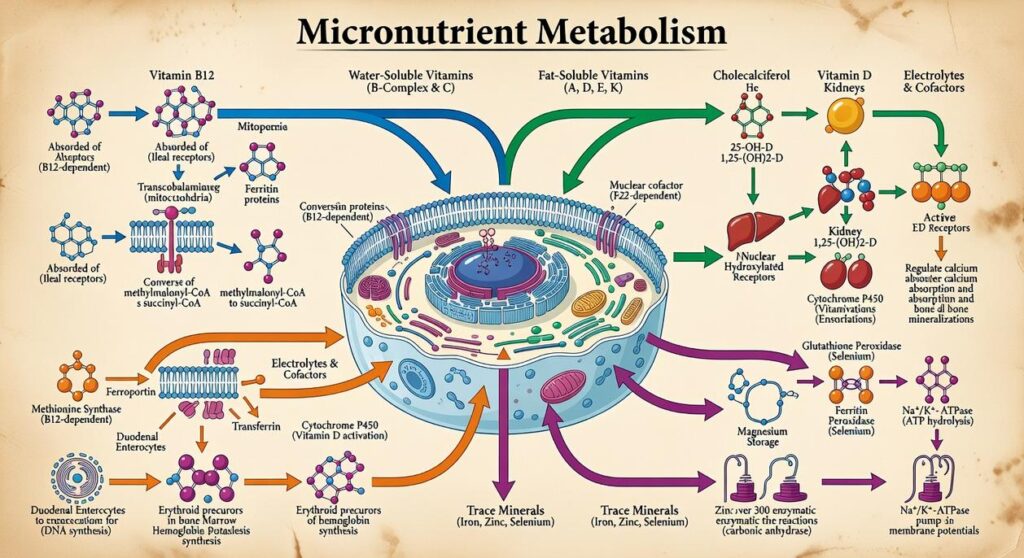
Beyond Calories: The Micronutrient Spark for Your Metabolism

A few years ago, I hit a wall. I was eating “clean,” tracking macros, even reviewing my macronutrient balance explained fueling performance the right way plan (https://cotaldihydo.com/macronutrient-balance-explained-fueling-performance-the-right-way/). On paper, everything looked perfect. In reality? I was exhausted by 3 p.m. daily. The missing piece wasn’t calories. It was micronutrients.
The Critical Role of Iron
Iron is the mineral that helps transport oxygen in your blood. Without enough, your cells can’t produce energy efficiently—leading to fatigue, weakness, and brain fog (NIH Office of Dietary Supplements).
- Heme iron: red meat, poultry
- Non-heme iron: spinach, beans, lentils
Pro tip: Pair plant iron with vitamin C to improve absorption.
B Vitamins: The Energy Converters
Think of B12 and B6 as factory workers. They convert food into usable cellular energy (Harvard T.H. Chan School of Public Health). Without them, your “energy plant” slows down.
- Eggs
- Leafy greens
- Salmon
Magnesium for Cellular Energy
Magnesium supports over 300 biochemical reactions, including ATP production—your body’s core energy currency (NIH).
- Almonds
- Pumpkin seeds
- Dark chocolate
Since prioritizing these natural energy nutrition strategies, my afternoon crashes disappeared. Sometimes metabolism isn’t about eating less or more (despite what social media says). It’s about fueling smarter.
Hydration and Meal Timing: Your Secret Energy Weapons*
Water: The Most Overlooked Energizer
Even mild dehydration (as little as 1–2% body weight loss) can thicken blood, reduce circulation efficiency, and increase fatigue, according to research in the Journal of Nutrition (2012). In simple terms, your heart works harder, and you feel slower. A practical goal: 1) Divide your body weight in pounds by two and drink that many ounces daily. More if you train or sweat heavily. (Yes, coffee counts a little—but not enough to skip water.) Pro tip: Start with 16–20 oz before caffeine.
The Case for Not Skipping Breakfast
Some argue fasting boosts focus. For certain people, it can. But most experience mid-morning crashes because blood glucose sets your day’s energy baseline. A balanced breakfast stabilizes that curve. Think: eggs + whole-grain toast + berries, or Greek yogurt with chia and nuts. Protein + fiber + healthy fat is the formula.
Strategic Snacking to Avoid the Slump
Instead of waiting until you’re ravenous (hello, 3 p.m. regret), use small, balanced snacks to steady blood sugar. Try: 2) Apple + peanut butter 3) Almonds + dark chocolate 4) Cottage cheese + pineapple. These natural energy nutrition strategies outperform sugary “quick fixes” (sorry, vending machine).
Identifying Your Energy Sappers: Foods and Habits to Avoid
Sugary drinks, candy, and refined pastries feel like instant fuel. And yes, they DO provide quick energy. But processed sugar spikes blood glucose, triggers insulin, then sends you crashing—hard. Researchers link high added sugar intake to increased fatigue and metabolic stress (Harvard T.H. Chan School of Public Health). It’s a rollercoaster that ends lower than it started (fun at the fair, not in your bloodstream).
Refined grains like white bread and pasta get similar defenses: “They’re easy to digest!” True. But stripping fiber and micronutrients creates “empty calories,” meaning calories with minimal nutritional value. You get a brief lift, then hunger rebounds.
Caffeine fans argue coffee boosts productivity. It can—temporarily. But caffeine blocks adenosine, a chemical that signals fatigue, essentially BORROWING energy (Mayo Clinic). Alcohol? Even a nightcap disrupts REM sleep, reducing recovery and next-day focus.
The solution isn’t deprivation. It’s using natural energy nutrition strategies and protecting real, sustainable vitality.
Fatigue doesn’t mean you’re broken; it means your body is under-fueled. The real win comes from steady inputs, not caffeine spikes. When you prioritize complex carbs, lean protein, healthy fats, and essential micronutrients, you create lasting fuel instead of fleeting buzz. That translates into sharper focus, better workouts, and calmer moods throughout the day. In other words, you stop surviving and start performing.
Yes, quick fixes promise speed. However, natural energy nutrition strategies deliver sustainability. Start small: upgrade your breakfast with oats and eggs, or add a protein-rich afternoon snack. One smart shift today builds momentum for vibrant tomorrows ahead.
Build Sustainable Energy That Lasts
You came here looking for real, sustainable ways to improve your energy, strength, and overall health — not quick fixes that fade in a week. Now you understand how fitness foundations, smart nutrition choices, and natural energy nutrition strategies work together to create lasting vitality.
The truth is, constant fatigue, inconsistent workouts, and confusing diet advice can keep you stuck and frustrated. When your energy crashes midday or your progress stalls, it’s not a motivation problem — it’s a strategy problem.
The solution is simple: apply what you’ve learned consistently. Focus on balanced fueling, structured strength conditioning, and daily habits that support recovery and performance. Small, intentional adjustments compound into powerful results.
If you’re ready to stop feeling drained and start building reliable, all-day energy, take action now. Follow our proven frameworks, apply the strategies consistently, and transform your routine into one that works for you — not against you. Start today and experience the difference structured, science-backed guidance can make.