Pushing harder in the gym isn’t always the answer to better results—recovering smarter is. This guide delivers a comprehensive, science-backed framework to accelerate muscle repair and reduce downtime after intense training. Many athletes plateau not because they lack discipline, but because they overlook effective athletic recovery protocols, leading to fatigue, nagging injuries, and stalled progress. Here, you’ll find actionable strategies that go beyond a basic cool-down, with proven insights on nutrition, active recovery, and sleep optimization. By applying these methods, you’ll support your body’s natural repair systems, train more consistently, and unlock stronger, faster performance gains.
Fueling the Rebuild: Your Post-Workout Nutrition Blueprint
You’ve probably heard about the “anabolic window”—the 30–90 minutes after training when your body is primed for nutrient absorption and muscle protein synthesis (the process of building new muscle proteins). Some argue it’s overhyped, claiming total daily intake matters more than timing. They’re partly right; total intake does matter most (International Society of Sports Nutrition, 2017). However, dismissing timing entirely ignores evidence that immediate post-exercise protein boosts muscle repair efficiency, especially after intense sessions.
Protein for Repair
Resistance training creates micro-tears in muscle fibers. To repair them, aim for 20–40g of high-quality protein (Morton et al., 2018). Whey protein absorbs quickly; eggs, lean meats, Greek yogurt, tofu, and lentils also work. (Yes, your muscles care more about amino acids than Instagram aesthetics.) Pro tip: include at least 2–3g of leucine to effectively trigger muscle protein synthesis.
Carbohydrates for Replenishment
Next, carbs. They restore glycogen, the stored form of glucose your muscles burn during exercise. Fast-digesting carbs like fruit or rice are ideal immediately after training, while complex carbs such as oats or quinoa fit well later. Contrary to low-carb trends, skipping carbs post-workout can slow recovery and performance (Burke et al., 2017).
Hydration Is Non-Negotiable
Sweat loss reduces plasma volume, impairing nutrient delivery. Rehydrate with water and electrolytes to prevent cramping and support recovery. Even mild dehydration affects strength output (Journal of Athletic Training, 2015).
Micronutrients That Matter
Finally, berries and leafy greens supply antioxidants that help manage exercise-induced inflammation. Think of them as backup support for your athletic recovery protocols.
For a deeper performance strategy, explore data driven training using metrics to improve results.
Move to Mend: Smart Strategies for Active Recovery
What Is Active Recovery?
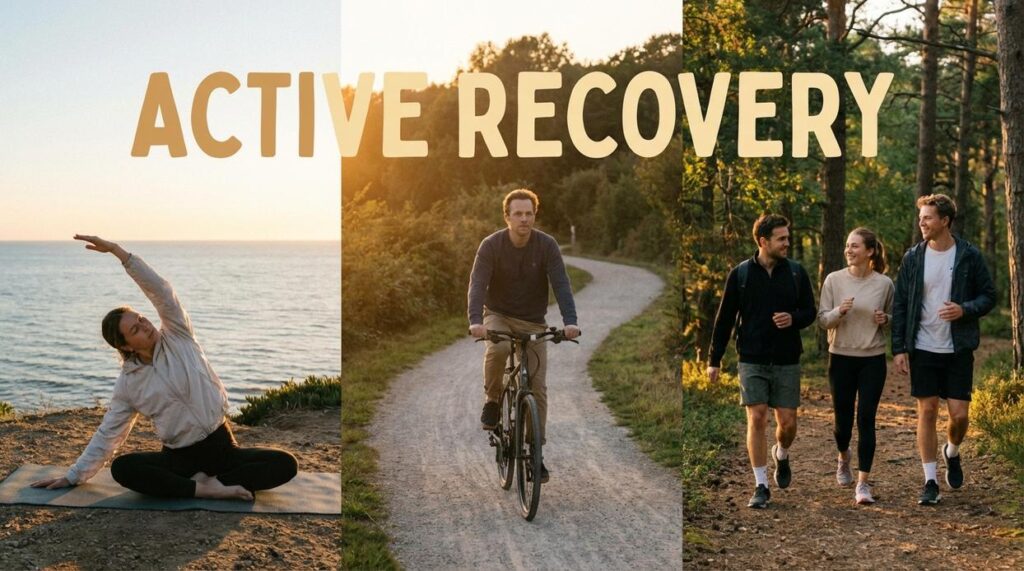
Active recovery is low-intensity movement performed after a demanding workout to stimulate blood flow and reduce Delayed Onset Muscle Soreness (DOMS)—that stiff, 24–72-hour ache that makes stairs feel like a mountain (we’ve all been there). Unlike total rest, active recovery keeps circulation moving, helping deliver oxygen and nutrients to fatigued muscles. Research suggests light activity can reduce perceived soreness compared to complete inactivity (American Council on Exercise).
Some argue rest days should mean zero movement. Fair point—sleep and nutrition matter most. But complete stillness may slow circulation, while light movement helps clear metabolic byproducts more efficiently.
Effective Modalities
Aim for 15–30 minutes at a low heart rate (about 50–60% max).
| Activity | Intensity Cue | Benefit |
|———–|—————|———-|
| Light Jog | Conversational pace | Gentle circulation boost |
| Cycling | Low resistance | Joint-friendly flush |
| Swimming | Easy laps | Full-body relief |
| Walking | Brisk but relaxed | Accessible reset |
Pro tip: If you can’t speak in full sentences, you’re pushing too hard.
Stretching and Mobility
Static stretching (holding 20–30 seconds) improves post-workout flexibility. Dynamic stretching—controlled, moving stretches—is better suited for warm-ups. Add mobility work with foam rollers or lacrosse balls to release trigger points and improve range of motion. These tools complement athletic recovery protocols by restoring tissue quality and movement efficiency.
Unlocking Peak Performance Through Sleep
Most athletes obsess over training intensity. Few obsess over sleep. That’s backwards.
The Ultimate Recovery Tool
Deep sleep (also called slow-wave sleep, the most restorative sleep stage) is when the body releases its highest levels of Human Growth Hormone (HGH)—a hormone essential for tissue repair, muscle growth, and cellular regeneration (National Institutes of Health). Think of HGH as your overnight repair crew. No deep sleep? The crew clocks out early.
A vs B comparison:
- Athlete A: 5–6 hours of broken sleep, heavy training load.
- Athlete B: 7–9 hours of uninterrupted sleep, same training load.
Who adapts faster? Athlete B. Because RECOVERY drives performance—not just effort. Research in Sleep shows athletes sleeping fewer than 8 hours have higher injury risk (Mah et al., 2014).
Quality matters as much as quantity. Seven to nine hours is the gold standard for optimal recovery and hormone balance. Fragmented sleep reduces time spent in deep stages, weakening even the best athletic recovery protocols.
To upgrade sleep hygiene:
- Keep your room dark and cool (60–67°F is ideal).
- Avoid screens 60 minutes before bed.
- Maintain a consistent sleep schedule.
- Cut caffeine 6–8 hours before bedtime.
Pro tip: Treat sleep like training—schedule it. Because the real gains happen when you’re unconscious (yes, really).
Advanced Recovery Tools and Techniques
Modern athletic recovery protocols increasingly rely on tools backed by research—not just locker-room lore.
Cold Therapy (Cryotherapy/Ice Baths) reduces inflammation and delayed onset muscle soreness (DOMS). A 2016 meta-analysis in Sports Medicine found cold-water immersion significantly decreased soreness up to 96 hours post-exercise. Aim for 50–59°F (10–15°C) for 10–15 minutes. (Yes, it’s uncomfortable—that’s partly the point.)
Heat Therapy (Saunas/Hot Tubs) increases blood flow and tissue elasticity. Research in Mayo Clinic Proceedings links regular sauna use to improved cardiovascular function. Use heat for stiffness or pre-mobility work; avoid immediately after acute injury when swelling is present.
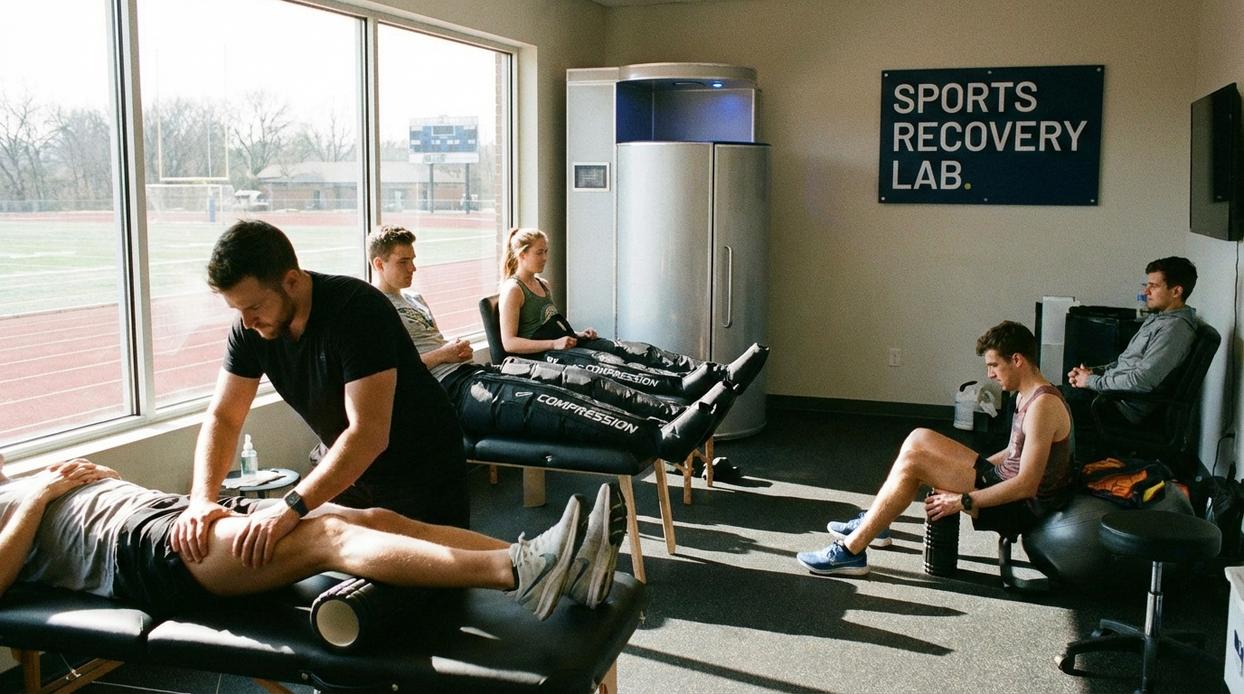
- Compression Garments apply graduated pressure to enhance venous return. A 2015 review in Journal of Strength and Conditioning Research reported modest reductions in post-exercise swelling and fatigue.
Percussive Therapy (Massage Guns) delivers rapid pulses to muscle tissue, improving short-term range of motion without reducing strength output, according to a 2020 study in International Journal of Sports Physical Therapy.
Building Your Personal Recovery Protocol
You came here to build a smarter approach to recovery—and now you have a complete toolkit to do exactly that. From nutrition and hydration to mobility and sleep, these athletic recovery protocols give you a structured path toward stronger, faster progress. Remember, training only triggers the stimulus. Real growth, adaptation, and performance gains happen when you recover with intention.
If you’re feeling stuck, sore, or plateaued, inconsistent recovery is likely the bottleneck. The solution is simple but powerful: fuel your body well, move with purpose, and protect your rest.
Start today. Add one strategy from each section into your routine this week and track the results. Thousands of athletes are already transforming their performance—now it’s your turn.