
If you’re putting in the work at the gym but not seeing the results you expect, your fueling strategy may be the missing link. This guide to pre and post workout nutrition gives you a clear, science-backed framework to boost energy, enhance strength, and speed up recovery. Many active individuals struggle with fatigue, stalled progress, and lingering soreness simply because they’re eating the wrong foods at the wrong times. Here, you’ll learn exactly what to eat, when to eat it, and how to balance macronutrients to support performance, muscle repair, and consistent gains from every workout.
Priming Your Engine: The Science of Pre-Workout Nutrition
Think of your body like a hybrid car. If the battery (glycogen) is low, performance drops fast. The primary goal of pre-workout nutrition is simple: top off glycogen stores, prevent mid-workout hunger, and ensure you’re hydrated enough to perform at your peak. Glycogen is stored carbohydrate your muscles use for energy during exercise (your internal fuel tank, basically).
Carbohydrates Are King
If you remember one thing, make it this: carbs drive performance. Research consistently shows carbohydrates improve endurance and high-intensity output (Jeukendrup, 2014, Sports Medicine).
Here’s how to time them:
- 2–3 hours before: Choose complex carbohydrates (slower-digesting carbs that provide steady energy). Think oatmeal with berries, a whole-wheat turkey sandwich, or brown rice with chicken.
- 30–60 minutes before: Go for simple carbohydrates (quick-digesting sugars for rapid fuel). A banana, small bowl of pretzels, toast with jam, or a sports gel work well.
Some argue fasted workouts “burn more fat.” While that can be true in low-intensity sessions, performance often suffers in strength or high-intensity training (Schoenfeld, 2014). If your goal is strength, speed, or endurance gains, fuel first.
Add a Touch of Protein
Include a small amount of protein (10–20g) to help reduce muscle breakdown during exercise. Keep it light—Greek yogurt, turkey, or a scoop of protein powder. Too much can feel heavy (no one PRs with a brick in their stomach).
What to Avoid
Skip high-fat and high-fiber foods right before training. They slow digestion and can cause bloating or cramps. Save the avocado toast feast for later.
Timing Is Everything
Match your meal to your clock. Plan ahead. Hydrate early. For smarter fueling strategies beyond just meals, review these hydration hacks that improve focus and endurance.
Dialing in pre and post workout nutrition isn’t complicated. Choose carbs first, add light protein, avoid digestive landmines, and train ready—not depleted.
The Recovery Window: How to Refuel, Rebuild, and Replenish
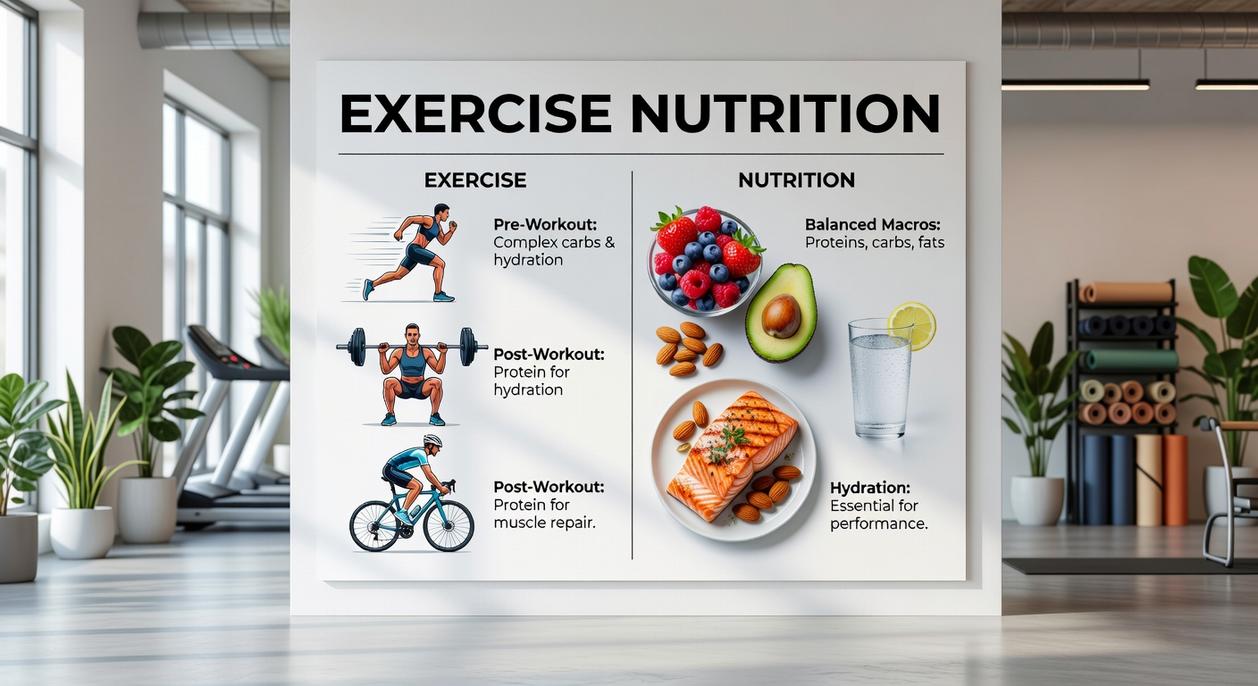
Every workout creates a small, intentional disruption in your body. Muscles break down, glycogen (stored carbohydrate in your muscles) gets depleted, and fluids are lost through sweat. The goal afterward? The Three R’s of Recovery: Replenish, Repair, Rehydrate.
Replenish means restoring glycogen so your energy systems are ready for the next session. Repair refers to muscle protein synthesis—the process where your body uses amino acids to rebuild stronger tissue. Rehydrate ensures blood volume, nutrient delivery, and performance stay optimized.
The Power Duo: Protein + Carbs
Carbohydrates replace the fuel you just burned. Protein supplies the amino acids your body needs to rebuild muscle fibers. Together, they act like a construction crew and delivery truck arriving at the same time (efficient and powerful).
A practical guideline? Aim for a 3:1 or 4:1 ratio of carbohydrates to protein. For example, 60 grams of carbs paired with 15–20 grams of protein supports both glycogen replenishment and repair.
Debunking the “Anabolic Window”
You’ve probably heard you must eat within 30 minutes or risk “losing your gains.” That’s overstated. Research suggests that eating within 1–2 hours post-workout is beneficial, but total daily intake matters more than racing the clock (no need to sprint to your blender).
Consistency across your day—especially with pre and post workout nutrition—drives better long-term results than obsessing over a stopwatch.
Actionable Recovery Ideas
Quick Snacks:
- Chocolate milk
- Greek yogurt with fruit and honey
- A protein shake with a banana
Full Meals:
- Grilled chicken, sweet potatoes, and vegetables
- Salmon with quinoa
- A bean and rice burrito
Recovery is where progress actually happens.
What’s next? You might wonder how hydration levels, sleep quality, or workout intensity change your needs. Start by dialing in your post-workout meal—then assess energy, soreness, and performance over the week. Adjust portions before overhauling your plan. Small refinements compound.
Hydration is the unsung hero of performance. You can have perfect pre and post workout nutrition, dialed-in programming, and a playlist that makes you feel like the main character—yet if you’re dehydrated, you’ll still fade fast. (Yes, even if you “don’t feel that sweaty.”)
Your Simple Hydration Game Plan
Before you start, drink 16–20 ounces of water 2–3 hours before exercise, then another 8 ounces 20–30 minutes before go-time. This primes blood volume—the amount of fluid circulating in your bloodstream—to deliver oxygen and nutrients efficiently.
During your workout, sip 7–10 ounces every 15–20 minutes of intense exercise. Small, steady sips beat chugging like you just crossed a desert. Research shows that losing as little as 2% of body weight from fluid can impair performance (American College of Sports Medicine).
Afterward, replace what you lost. For every pound of body weight dropped during exercise, drink 20–24 ounces of fluid. It’s simple math, not magic.
Now, you might argue water is enough for everything. Sometimes, yes. However, during sessions longer than 60–90 minutes or in extreme heat, electrolytes—minerals like sodium and potassium that regulate muscle and nerve function—matter. A sports drink can help maintain balance and prevent cramps (National Institutes of Health).
Pro tip: Check urine color. Pale straw? You’re golden. Dark apple juice? Time to hydrate.
Integrate These Strategies for Consistent Results
You came here looking for a simple, effective way to fuel your workouts without overcomplicating your routine. Now you know that smart pre and post workout nutrition is the difference between dragging through sessions and finishing strong.
When you time your carbs and protein correctly, you reduce fatigue, speed up recovery, and finally see consistent progress. No more wasted workouts or stalled results.
Start small—add one consistent post-workout snack this week and pay attention to your energy and soreness levels. If you’re ready to eliminate burnout and train at your best, put these strategies into action today and make every workout count.