
If you’ve ever wondered why you can touch your toes but still feel stiff during workouts, you’re not alone. Many people confuse mobility vs flexibility differences, and that confusion can limit progress, increase injury risk, and stall strength gains. This article is designed to clear that up.
You’re here because you want to move better, train smarter, and feel stronger without constant tightness or discomfort. We’ll break down what mobility and flexibility actually mean, how they work together, and why improving one without the other can hold you back. More importantly, you’ll learn how to apply both in practical ways—whether you’re lifting weights, running, or simply trying to stay pain-free.
Our guidance is rooted in proven strength-conditioning principles, performance-based training methods, and evidence-informed recovery strategies used by coaches and movement specialists. By the end, you’ll understand exactly how to build a body that isn’t just flexible—but strong, controlled, and resilient through every range of motion.
Beyond stretching: unlocking true movement freedom means understanding the mobility vs flexibility differences that shape how your body performs. Flexibility is your muscle’s passive ability to lengthen; think touching your toes during a stretch. Mobility is active, controlled joint movement, like sinking into a deep squat with stability. Train flexibility with static holds; build mobility through strength-based drills such as lunges and shoulder circles. • More mobility improves force production. • Balanced flexibility reduces strain risk. Together, they enhance posture, athletic power, and pain-free daily tasks — from lifting groceries to weekend basketball. Pro tip: strengthen new ranges immediately. Done.
Flexibility Explained: The Passive Range of Your Muscles
Flexibility is the ability of a muscle or muscle group to lengthen passively through a range of motion. In simple terms, it’s your muscles’ STRETCHING potential. Not how high you can kick—but how far your muscle can be stretched when an external force helps.
That “passive” part matters. Flexibility is typically measured with outside assistance:
• Gravity pulling you deeper into a split
• A partner gently pushing your shoulder
• A strap drawing your leg closer in a hamstring stretch
When you hold a seated forward fold in yoga or sink into a static quad stretch, you’re training passive range—not active control.
Here’s where people get confused: mobility vs flexibility differences in the section once exactly as it is given. Flexibility is passive capacity. Mobility is your ability to actively control a joint through that range. You can have one without the other.
Benefits? Improved BLOOD FLOW, reduced muscle tension, and temporary relief from soreness (American College of Sports Medicine, 2021). It can also improve posture over time.
But there’s a catch. Extreme flexibility without strength creates instability. Think of it like having loose hinges on a door—wide range, poor control.
Pro tip: Pair static stretching with strength work in the same range to build usable, resilient movement.
Mobility Defined: Active Control Through Your Full Range of Motion
A few years ago, I could drop into a deep squat during warm‑ups—but I couldn’t get back up without shifting forward like I was escaping quicksand. That was my first real lesson in mobility.
Mobility is the ability of a joint to move actively through its full range of motion. In simple terms, it’s usable flexibility—the range you can control with your own muscles. Not gravity. Not momentum. Not a coach pushing you deeper.
The key word is active.
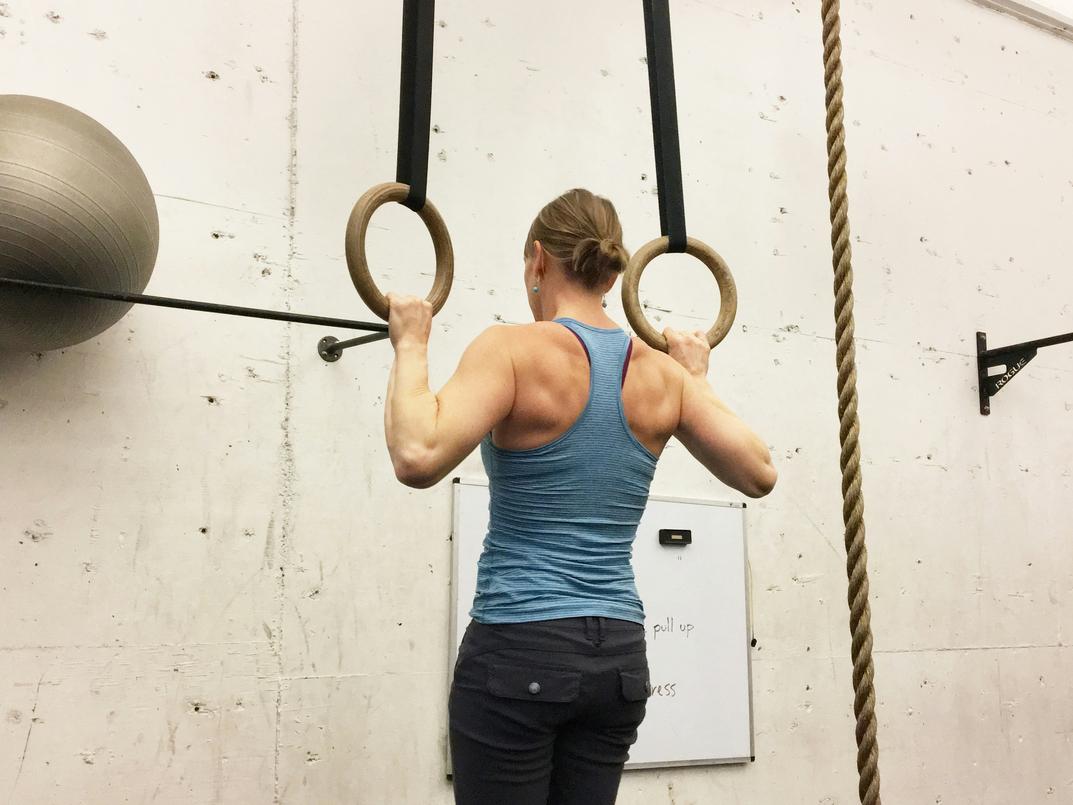
Mobility demands strength, stability, and neuromuscular control (your brain’s ability to coordinate muscle action). Think of it as the difference between hanging passively from a pull‑up bar versus pulling yourself up and pausing at the top. One shows range. The other shows ownership.
Here’s the formula:
Mobility = Flexibility + Strength + Control
Flexibility is your passive range—how far a joint can move with assistance. But without strength in that range, it’s like owning a sports car without brakes (looks impressive, risky in practice). Research in the Journal of Strength and Conditioning Research notes that strength training through full range improves functional movement capacity.
Examples make it real:
- A deep squat where you pause at the bottom and stand tall without wobbling
- Controlled Articular Rotations (CARs) for shoulders or hips
- A high leg kick held briefly at peak height
Pro tip: If you can’t pause, you don’t own it.
When discussing mobility vs flexibility differences, remember: flexibility is potential. Mobility is performance.
Why the Difference is Critical for Your Fitness Goals
When people debate mobility vs flexibility differences, it can sound like semantics. “If I can touch my toes, I’m mobile enough,” some argue. Not quite.
Flexibility is your muscles’ ability to lengthen passively. Think: someone pushing your leg into a stretch. Mobility, on the other hand, is your ability to actively control a joint through its full range of motion. That control is the difference between moving well and just moving far.
Consider a weightlifter chasing a deeper squat. They may stretch their hamstrings daily, yet still struggle to hit depth. Why? Squatting requires hip joint control and stability under load. Without strength at end range, the nervous system (your body’s built-in safety regulator) will limit how deep you go. Stretching alone won’t fix that.
Now take the hyper-flexible yogi. Yes, they can fold into impressive shapes (Instagram loves that). But without muscular stability around the joint, repeated end-range loading can increase wear and tear. Mobility training builds strength where flexibility leaves off.
In daily life, the distinction matters just as much:
- Reaching a high shelf requires active shoulder control.
- Getting off the floor demands hip stability.
- Preventing injuries depends on strength at end range.
Some argue flexibility is enough for general fitness. But research shows strength training through full ranges improves joint health and reduces injury risk (Behm et al., 2016, Applied Physiology, Nutrition, and Metabolism).
Pro tip: Pair mobility drills with loaded movements to reinforce control.
If you’re building strength, this principle directly supports understanding progressive overload for long term gains. Control first. Depth second. Load last.
How to Train: A Practical Guide to Improving Both
If you’ve ever wondered why your warm-up feels different from your cooldown, timing is the answer. When you train matters as much as what you train. Back in 2019, when dynamic warm-ups became mainstream in strength programs, coaches began separating mobility from traditional stretching—and performance improved within weeks.
Here’s the simple framework:
- When to Train Flexibility: Best done during a cool-down or on recovery days. Static stretching (holding for 30–60 seconds) helps calm the nervous system and lengthen muscle tissue.
- When to Train Mobility: Ideal for warm-ups before a workout. Dynamic movements prepare the joints and nervous system for the activity to come.
Understanding mobility vs flexibility differences in the section once exactly as it is given can prevent wasted effort (yes, doing long passive holds before heavy squats is counterproductive).
Sample Mobility Drills:
- Cat-Cow: Improves spinal segmentation and control.
- Hip CARs: Builds active range of motion in the hip joint.
- Thoracic Spine Windmills: Enhances upper-back rotation.
- Ankle Rotations: Prepares ankles for loaded movement.
Sample Flexibility Stretches:
- Couch Stretch: Targets hip flexors through passive holding.
- Pigeon Pose: Stretches deep glute muscles.
- Doorway Chest Stretch: Opens tight chest muscles.
Train mobility before effort. Save flexibility for recovery. Your joints will thank you.
Building a Smarter, More Resilient Body
You now understand that while flexibility is about a muscle’s passive length, mobility is about a joint’s active, controlled range of motion. Some argue that stretching alone is enough, and that adding mobility drills just complicates things. However, that mindset often leads to stalled progress and nagging aches. Instead, blend both approaches. By pairing targeted tissue work with controlled joint practice, you build strength that actually transfers to real life movement. Start today with five focused minutes in your warm up, and notice how your body responds. Pro tip: track small wins weekly. Consistently
You came here to finally understand the mobility vs flexibility differences and how they impact your performance, recovery, and long-term health. Now you know the truth: flexibility is about muscle length, while mobility is about control, strength, and usable range of motion. Ignoring that difference is often the reason workouts feel tight, progress stalls, or nagging aches keep returning.
The recommendation is simple: stop treating mobility and flexibility as the same thing. Build both intentionally. Stretch to improve tissue length, and train strength through full ranges of motion to own that movement. When you combine the two, your body moves better, feels stronger, and performs the way it was designed to.
If stiffness, plateaus, or recurring tightness have been holding you back, don’t settle for quick fixes. Start applying structured mobility drills alongside smart flexibility work in your weekly routine.
Take Control of How Your Body Moves
Your pain point isn’t just tight muscles — it’s limited, uncontrolled movement that’s keeping you from feeling strong and energized. We’ve helped thousands improve performance and eliminate stiffness with proven mobility and strength systems. Now it’s your turn. Start integrating these strategies today and experience the difference in your next workout.