
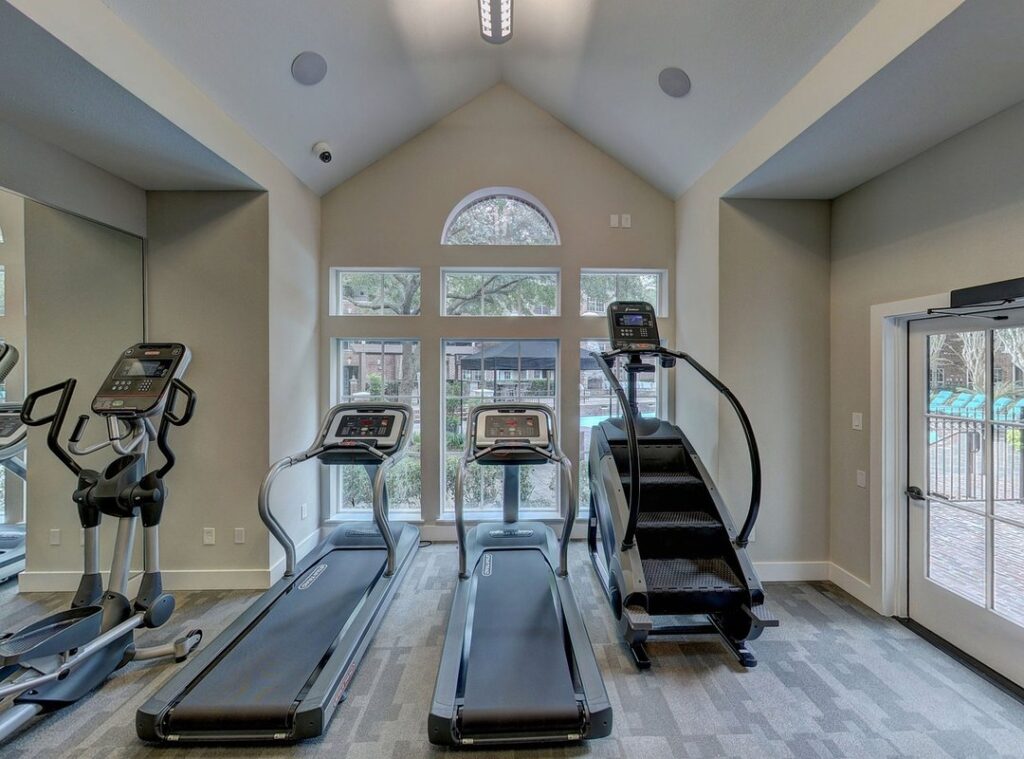
Ever dreamt of a home gym that becomes a dusty monument to good intentions? More often than not, our ambitions turn into cluttered corners filled with laundry and forgotten gear. Why?
Because creating a space that actually motivates you to move is tougher than it seems. I get it.
I’m here to cut through the noise and offer a straightforward, step-by-step guide to a home gym setup that truly works. You’ll finally have a residential fitness area arrangement that’s both functional and inspiring.
I’ve spent years designing wellness spaces that actually support fitness principles and long-term habits. Trust me, you’re not alone in this struggle. By the end, you’ll have a plan that fits your lifestyle and budget.
No matter how small your space. So, are you ready to transform that corner into a place you love?
Plan First, Buy Later: The Home Gym Secret
Alright, let’s get one thing straight: buying equipment before planning your space is a rookie mistake. You know it. I know it.
Your home gym setup should be about your layout and goals. Gear is just the support act, not the headliner.
First, define your primary fitness goal. Is it strength training, HIIT, yoga, or cardio? These aren’t just buzzwords; they each demand a different space vibe.
Strength training might need more equipment room, while yoga requires open, peaceful space.
Now, let’s talk measurements (the boring but key part). Don’t just eyeball the floor space and call it a day. You need to measure vertical height too.
Ever tried overhead presses with a low ceiling? Not fun. And don’t forget that “safety bubble” around your equipment.
You don’t want to trip over weights or bump into walls mid-burpee.
Here’s something folks often overlook: workout flow. Picture your entire routine from the warm-up to cool-down. Do you have a spot to enter, store your gear, move between exercises?
It’s like mapping out a dance. You want smooth transitions, not a clunky mishmash of clutter.
Thinking of adding a squat rack or a yoga mat? Before you buy anything, read more about what’s actually important. It’s about building a space that works for you, not fitting your life around stuff.
Trust me, plan first, and you’ll thank yourself later when everything just clicks into place.
Build Your Fitness Toolkit: The Essentials
When it comes to a home gym setup, you want to think smart. Forget those flashy machines that hog space and do one thing (and one thing only). Instead, build a versatile “fitness toolkit” that adapts to your needs.
I’ve found rubber tiles to be the best for shock absorption and durability. They’re like the unsung heroes of gym flooring. Simple mats work too, but they might not hold up as well if you’re lifting heavy.
First, let’s talk flooring. It’s not glamorous, but it’s key. Your knees will thank you if you choose wisely.
Now, onto the fun stuff: resistance options. Adjustable dumbbells? Yes, please.
They save space and grow with you. Kettlebells are a close second. They offer changing workouts that dumbbells can’t.
Resistance bands? They’re the ultimate in portability and versatility.
Here’s where it gets interesting. You need anchor pieces. Think about a squat rack that doesn’t eat your living room or a sturdy pull-up bar.
These are the backbone of any serious strength program. A suspension trainer like a TRX? It’s basically a gym in a bag.
Cardio doesn’t have to mean a treadmill that doubles as a coat rack. Consider an assault bike or a rower. They’re compact and effective.
Or keep it simple with a high-quality jump rope. It’s all about aligning with your fitness goals.
Remember, this isn’t just about collecting gear. It’s about creating a space that works for you. Check out this home gym setup for more ideas.
Pro tip: Start small. You can always add more as you go. Your gym should evolve with you, not overwhelm you.
So, what’s stopping you? Get going and build your perfect fitness toolkit.
Step 3: Perfecting Your Workout Zones
Creating an fast home gym setup isn’t just about cramming equipment into a room. It’s about zoning. Organizing the space to mentally and physically prepare you for your workout.

How do you make a small space work for you?
Start with the “Warm-Up & Mobility Zone.” Put this area near the entrance. It should be clear, with easy access to a mat, foam roller, and light bands. Why?
Because it’s the first step in your workout and you don’t need to be tripping over dumbbells before you even start. This simple setup encourages you to actually do the warm-up (you know you skip it sometimes).
Then there’s the “Strength & Power Zone.” This is the heart of any gym. Place your weights and anchor equipment here. Stability is key, so look for the most stable flooring.
You want space on all sides for safe movement. The last thing you want is to knock over something or, worse, injure yourself. Keep it away from the cardio area to avoid chaos.
Or place it in front of a TV or tablet for entertainment (nobody wants to stare at a blank wall while sweating). Just keep it separate from the strength area.
Speaking of chaos, your “Cardio & Conditioning Zone” should be thought out. If you’ve got cardio equipment, put it near a window. Fresh air is nice, and you can pretend you’re running outside.
Finally, the “Cool-Down & Recovery Zone” should be in the quietest spot. This is where you focus on stretching and mindful breathing after a workout. It helps in recovery and leaves you feeling good.
For a complete routine, consider integrating a balanced weekly exercise plan. It complements your zoned home gym setup perfectly. Setting up your zones right can transform your workout experience.
Who doesn’t want that kind of efficiency?
Transform Your Gym: Make It a Sanctuary
Ever walked into a gym and felt…meh? That’s because it lacked the details that make a space inviting. When you set up your home gym setup, think about lighting.
Good lighting can boost your energy and motivation. It’s not just about seeing your weights; it’s about feeling alive and ready to crush that workout.
Now, mirrors. They’re not just for checking your hair. A well-placed mirror helps with form correction and makes a small space feel larger.
It’s like magic for your room.
Let’s talk storage. You don’t want to trip over dumbbells, right? Wall-mounted racks for weights and shelves for accessories keep the floor clear and safe.
Hooks for bands? Absolutely.
And then there’s atmosphere. A good speaker can change the vibe. Imagine your favorite playlist pumping through high-quality sound while you lift.
Maybe add a low-maintenance plant. It improves air quality and mood (trust me, plants are underrated).
These little touches transform a ‘gym’ into a true sanctuary. Who wouldn’t want that?
Transform Your Space Into a Fitness Sanctuary
Have you ever glanced at your home gym and felt uninspired? You’re not alone. Many of us start with excitement and end up with a cluttered mess.
But now, you have a plan. You know a home gym setup isn’t about cramming in equipment. It’s about thoughtful planning and zoning.
So, ready for change? Your first step is simple. Grab a tape measure, go to your space, and complete Step 1.
Your fitness sanctuary is waiting. Don’t let another day go by without taking control of your space. Start now and see the difference.
 James Mathisagary has opinions about daily health routine tips. Informed ones, backed by real experience — but opinions nonetheless, and they doesn't try to disguise them as neutral observation. They thinks a lot of what gets written about Daily Health Routine Tips, Fitness Foundations and Essentials, Hydo Strength Conditioning Techniques is either too cautious to be useful or too confident to be credible, and they's work tends to sit deliberately in the space between those two failure modes.
Reading James's pieces, you get the sense of someone who has thought about this stuff seriously and arrived at actual conclusions — not just collected a range of perspectives and declined to pick one. That can be uncomfortable when they lands on something you disagree with. It's also why the writing is worth engaging with. James isn't interested in telling people what they want to hear. They is interested in telling them what they actually thinks, with enough reasoning behind it that you can push back if you want to. That kind of intellectual honesty is rarer than it should be.
What James is best at is the moment when a familiar topic reveals something unexpected — when the conventional wisdom turns out to be slightly off, or when a small shift in framing changes everything. They finds those moments consistently, which is why they's work tends to generate real discussion rather than just passive agreement.
James Mathisagary has opinions about daily health routine tips. Informed ones, backed by real experience — but opinions nonetheless, and they doesn't try to disguise them as neutral observation. They thinks a lot of what gets written about Daily Health Routine Tips, Fitness Foundations and Essentials, Hydo Strength Conditioning Techniques is either too cautious to be useful or too confident to be credible, and they's work tends to sit deliberately in the space between those two failure modes.
Reading James's pieces, you get the sense of someone who has thought about this stuff seriously and arrived at actual conclusions — not just collected a range of perspectives and declined to pick one. That can be uncomfortable when they lands on something you disagree with. It's also why the writing is worth engaging with. James isn't interested in telling people what they want to hear. They is interested in telling them what they actually thinks, with enough reasoning behind it that you can push back if you want to. That kind of intellectual honesty is rarer than it should be.
What James is best at is the moment when a familiar topic reveals something unexpected — when the conventional wisdom turns out to be slightly off, or when a small shift in framing changes everything. They finds those moments consistently, which is why they's work tends to generate real discussion rather than just passive agreement.