
If you’re looking to build real strength, boost your energy, and create a healthier routine that actually lasts, you’re in the right place. So much fitness advice online focuses on quick fixes—but lasting results come from mastering the basics: smart training, practical nutrition, and sustainable daily habits.
This article is designed to help you cut through the noise. We’ll break down proven fitness foundations, effective nutrition strategies, simple energy-boosting habits, and strength conditioning methods rooted in functional movement patterns that support how your body moves in everyday life. Whether you’re just starting out or refining your routine, you’ll find clear, actionable guidance you can apply immediately.
Our recommendations are grounded in established exercise science, evidence-based nutrition research, and real-world coaching principles used by top health professionals. The goal is simple: give you trustworthy, practical insights that help you move better, feel stronger, and stay consistent for the long run.
It’s frustrating to train hard and see the bar stop moving. I’ve been there. For months, I blamed programming, genetics, even sleep. The real issue? Limited mobility. When joints can’t move through full ranges, muscles never fully engage. You compensate, groove bad patterns, and strength stalls.
I learned this the hard way after ignoring tight hips and shoulders. My squat plateaued, my bench ached, and I kept adding weight anyway. Big mistake.
Here’s what changed:
- Prioritize mobility before loading heavy.
- Train functional movement patterns with intent and control.
Mobility isn’t stretching for Instagram; it’s unlocking strength you built.
The Unbreakable Link Between Mobility and Strength
Mobility is active, controlled movement through a joint’s full range, while flexibility is passive range of motion—like pulling your hamstring with a strap. That distinction matters. Research in the Journal of Strength and Conditioning Research shows athletes with greater hip mobility demonstrate deeper squat mechanics and reduced lumbar stress.
Better hip mobility means you can sink into a squat without your lower back compensating. Improved shoulder mobility allows a stronger, more stable overhead press because the joint can stack safely under load. In other words, your muscles produce force instead of fighting restriction.
Studies also link limited ankle and hip mobility to higher knee injury rates (American Council on Exercise). When joints can’t move well, the body improvises—often poorly.
- Enhanced mobility prepares tissues for load and reinforces proper functional movement patterns.
The result? More strength, fewer setbacks, and cleaner technique under pressure.
The 3 Pillars of a Perfectly Balanced Fitness Routine
A truly balanced fitness routine isn’t random—it’s structured around three non‑negotiable pillars. Many programs obsess over intensity yet ignore preparation and recovery. That’s like fast‑forwarding to the action scene and skipping the plot (fun, but confusing).
1. The Dynamic Warm‑Up (Mobility Focus)
First, you raise core temperature, activate the nervous system (your body’s electrical wiring), and prepare joints for movement. A dynamic warm‑up uses controlled, moving stretches—think leg swings or arm circles—rather than holding positions. Research shows dynamic activity improves power and performance compared to static stretching before workouts (Behm & Chaouachi, 2011).
Critics argue warm‑ups waste time. However, skipping them increases injury risk and reduces force output. Five to eight intentional minutes can mean the difference between fluid squats and cranky knees. Pro tip: mirror the workout ahead—prep squats with bodyweight lunges and glute bridges.
2. The Core Strength Session (Strength Focus)
Next comes compound movements—exercises using multiple joints and muscles simultaneously. Squats, deadlifts, push‑ups, and rows build strength that transfers to real life, from lifting groceries to sprinting for the bus. These movements reinforce functional movement patterns, enhancing coordination and resilience.
Some prefer isolation exercises for aesthetics. Fair—but compound lifts stimulate more muscle mass and hormonal response, improving efficiency (American Council on Exercise). If time is limited, compounds win.
For deeper guidance, review strength training basics mastering proper form and technique to refine execution.
3. The Restorative Cool‑Down (Recovery Focus)
Finally, static stretching (holding a stretch 20–60 seconds) and foam rolling improve tissue quality and may reduce soreness (Cheatham et al., 2015). While skeptics debate how much soreness decreases, gradual flexibility gains are well documented.
In short, balance beats burnout—every single time.
Your Pre-Workout Blueprint: Essential Mobility Drills
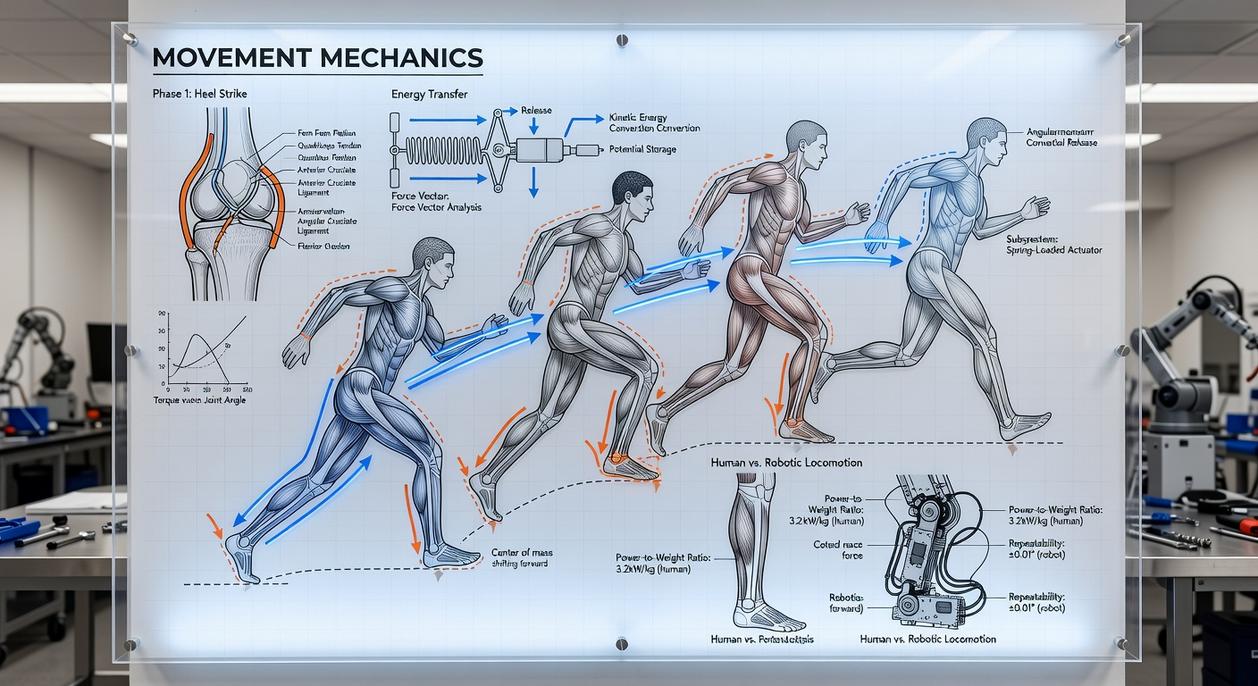
Most warm-ups rush. Five minutes on a treadmill, a few arm circles, then straight to loading plates. However, mobility done well primes functional movement patterns and reduces stiffness before it becomes strain (ACSM, 2022). The goal isn’t sweat—it’s readiness.
10-Minute Activation Flow
| Drill | Time | Focus |
|—|—|—|
| Leg Swings (front/side) | 1 min | Hips, hamstrings |
| Deep Squat Hold | 2 min | Ankles, hips |
| World’s Greatest Stretch | 2 min | Hip flexors, T-spine |
| Cat-Cow | 1 min | Spinal mobility |
| Thoracic Spine Windmills | 2 min | Rotation |
| Banded Pull-Aparts | 2 min | Upper back activation |
Start with Leg Swings: controlled, deliberate arcs. Avoid momentum (this isn’t a kung-fu audition). Next, sink into a Deep Squat Hold, gently shifting weight to open the ankles. Then flow through the World’s Greatest Stretch, rotating toward the front knee.
Transitioning upward, use Cat-Cow to segment the spine vertebra by vertebra. Follow with Thoracic Spine Windmills to restore rotation—something most programs ignore. Finish with Banded Pull-Aparts, squeezing shoulder blades together for two seconds each rep.
Some argue static stretching is enough. Yet research shows dynamic mobility better prepares strength output (Behm & Chaouachi, 2011). Pro tip: match drill intensity to your first lift. Activation, not exhaustion—that’s the edge competitors miss.
Building Functional Power: Core Strength Exercises
Mobility without strength is like having Wi-Fi and no device to use it on. The hip mobility you just worked on will now allow you to execute a perfect Goblet Squat. In simple terms, mobility is your joint’s ability to move freely, while strength is your ability to control that movement under load. Together, they create functional movement patterns—the foundational ways your body pushes, pulls, hinges, and squats in daily life.
Here are four foundational compound exercises (compound meaning multi-joint movements that train several muscles at once):
- Goblet Squats: Keep your chest tall and knees tracking over toes. Good hip and ankle mobility lets you squat deeper without rounding your back.
- Romanian Deadlifts: Hinge at the hips, not the spine. Hamstring mobility helps you lower the weight while keeping a neutral back.
- Push-Ups (or Incline Push-Ups): Maintain a straight line from shoulders to heels. Shoulder mobility allows smoother pressing.
- Dumbbell Rows: Pull from your back, not your arms, enabled by thoracic spine mobility (think “proud chest,” not hunched shoulders).
Programming Tip: Perform 3 sets of 8–12 repetitions for each exercise, prioritizing perfect form over heavier weight. (Yes, ego lifting doesn’t count as core training.)
Strength and mobility aren’t separate pursuits; they’re partners in building a high-performing, injury-resistant body. If you’ve hit plateaus or live with nagging aches, ignoring mobility is likely the culprit. Some argue lifting heavy alone is enough, or that stretching is optional fluff. But research shows combining resistance training with mobility work improves performance and reduces injury risk (ACSM). Think Batman and Robin—better together (yes, really).
Start simple:
- Train three non-consecutive days per week, pairing strength with functional movement patterns.
Consistency, not intensity, drives lasting progress. Show up, adjust, repeat. Your body adapts when you give it balanced stress over time.
You came here looking for a smarter way to build strength, boost energy, and create a fitness routine that actually supports your daily life. Now you understand how solid nutrition strategies, strength conditioning, and functional movement patterns work together to reduce fatigue, prevent injury, and improve performance.
The truth is, most people stay stuck because they chase intensity instead of mastering the fundamentals. That leads to burnout, stalled progress, and frustration. When you focus on foundational movement, smart fueling, and consistent habits, you create results that last.
Build Strength That Supports Your Life
If you’re tired of inconsistent progress and low energy, it’s time to train with purpose. Follow a structured plan built around functional movement patterns, proven nutrition principles, and sustainable conditioning strategies. Thousands rely on our trusted fitness guidance to simplify training and maximize results. Start today—commit to the fundamentals, apply what you’ve learned, and take control of your strength, stamina, and long-term health now.