
If you’re searching for sustainable ways to boost your energy, improve strength, and build a healthier routine, you’re likely tired of quick fixes that don’t last. Real fitness progress starts with strong foundations—smart nutrition, effective conditioning, and daily habits that support consistent performance.
This article is designed to give you practical, science-backed strategies you can apply immediately. We’ll break down how to structure your meals for steady fuel, why low glycemic energy foods play a key role in stabilizing blood sugar, and how to combine strength training with recovery techniques for long-term results. You’ll also discover simple energy hacks that fit into busy schedules without sacrificing effectiveness.
Our guidance is rooted in proven fitness principles, evidence-based nutrition strategies, and real-world application. Whether you’re refining your current routine or starting fresh, you’ll walk away with clear, actionable steps to build strength, improve endurance, and maintain consistent energy throughout your day.
Unlock All-Day Energy: The Science of Slow-Release Foods
Ever hit that 3 PM wall and immediately reach for coffee or a sugary snack? It feels logical. You’re tired, so you grab quick fuel. But here’s the catch: that boost often triggers a blood sugar spike—followed by a sharp crash that leaves you foggier than before (cruel, right?).
So what’s actually happening? High-sugar foods digest rapidly, flooding your bloodstream with glucose. In contrast, low glycemic energy foods digest slowly, providing a steady release of fuel that supports focus and stamina.
Consider adding:
- Oats for sustained morning energy
- Lentils for balanced blood sugar
- Greek yogurt with nuts for protein-rich stability
- Apples paired with peanut butter for fiber plus healthy fat
Next time fatigue creeps in, ask yourself: do you want a spike—or steady power?
The Glycemic Index: Your Secret Weapon for Stable Energy
The Glycemic Index (GI) is a scale from 0–100 that ranks carbohydrate-containing foods by how quickly they raise blood glucose (blood sugar) levels. Think of it as a speedometer for carbs.
Here’s how it breaks down:
- Low GI (55 or less)
- Medium GI (56–69)
- High GI (70 or more)
High-GI foods—like white bread or sugary cereal—burn like paper: fast and furious. Low-GI foods—like lentils or steel-cut oats—burn like a dense log: slow and steady. That difference matters.
When you eat high-GI foods, your blood sugar spikes quickly. Your body responds with a rapid surge of insulin (a hormone that moves sugar out of your bloodstream and into cells). The result? A sharp rise… followed by the infamous crash. Low-GI foods trigger a smaller, steadier insulin release, helping you maintain stable energy (no 3 p.m. zombie mode).
Most competitors stop there. But GI alone isn’t enough. Glycemic Load (GL) factors in portion size, giving a more realistic picture of how foods—including low glycemic energy foods—affect you in real life.
Power Your Morning: Low-Glycemic Breakfasts to Start Strong
Your breakfast sets your metabolic tone for the entire day. When you choose low glycemic energy foods, you create a steady release of glucose (your body’s primary fuel), instead of a sharp spike and crash. Research shows that low–glycemic index (GI) meals improve sustained attention and memory performance compared to high-GI options (American Journal of Clinical Nutrition, 2007). That means fewer 10 a.m. slumps and better focus.
Here’s what to put on your plate:
- Rolled or Steel-Cut Oats: Rich in beta-glucan, a soluble fiber that forms a viscous gel in the gut, slowing digestion and stabilizing blood sugar (Harvard T.H. Chan School of Public Health). Skip instant oatmeal—it’s more processed and digests faster.
- Berries (Blueberries, Strawberries): Naturally low in sugar yet high in fiber and antioxidants. Add a handful to oats or yogurt for sweetness without the spike.
- Greek Yogurt (Plain): High protein delays carbohydrate absorption and increases satiety (Journal of Nutrition, 2015). Choose unsweetened versions.
- Eggs: Zero carbs, high protein, and deeply satisfying. Pair with whole-grain toast for balanced fuel.
- Chia Seeds: Packed with fiber, protein, and omega-3s. They absorb liquid and form a gel, dramatically slowing digestion.
If you want more smart nutrition strategies to boost daily energy naturally, build your mornings around these staples and keep refined sugars off the menu.
Beat the Afternoon Slump: Smart Lunch Choices for Lasting Fuel
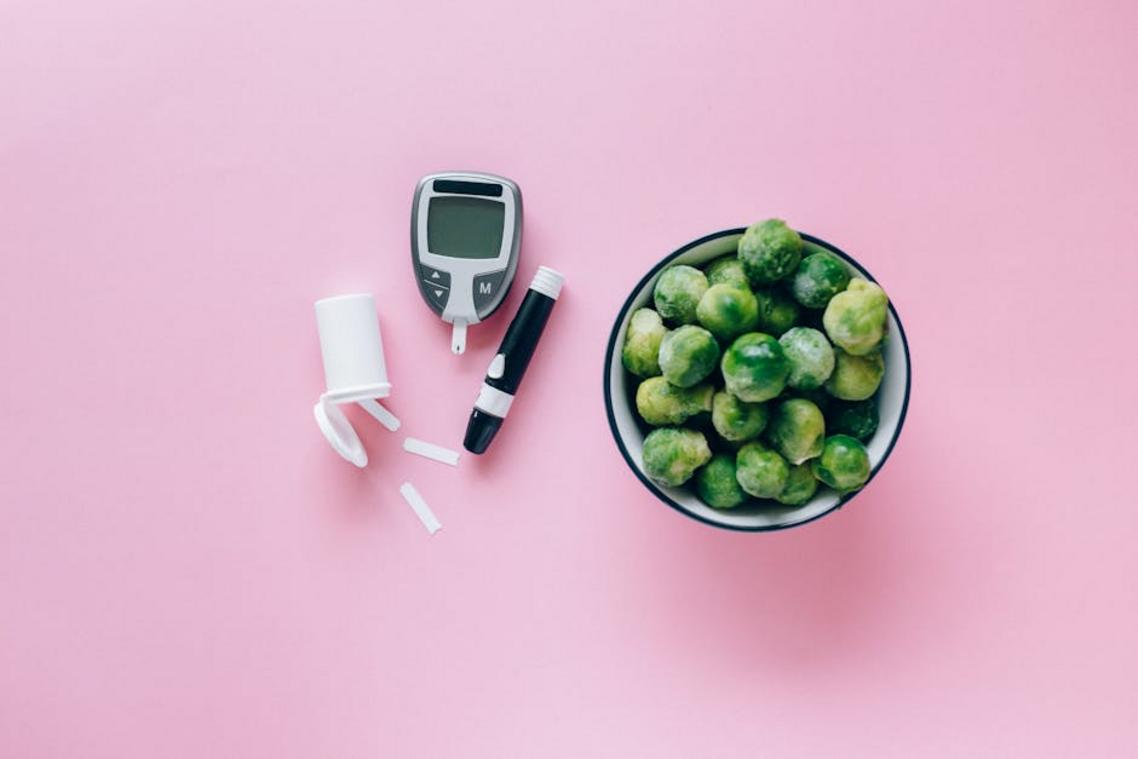
That 3 p.m. crash isn’t random. It’s often the result of a high-glycemic lunch—foods that spike blood sugar quickly, then send it plummeting. Research published in The American Journal of Clinical Nutrition found that high-glycemic meals can increase fatigue and reduce alertness within hours (Ludwig, 2002). In other words, that white rice bowl might be setting you up for a productivity nosedive.
So what works better? Start with legumes like lentils, chickpeas, or black beans. These provide complex carbohydrates (carbs that digest slowly), plant-based protein, and fiber—an ideal trio for steady energy. Add quinoa, a complete protein (meaning it contains all nine essential amino acids) with a lower glycemic index (GI) than white rice. Sweet potatoes are another smart swap; their complex carbs release energy gradually, unlike white potatoes.
Next, pile on non-starchy vegetables such as broccoli, spinach, and bell peppers. They add volume and micronutrients with minimal blood sugar impact. Finally, include lean proteins like chicken or fish. While protein doesn’t have a GI, studies show it slows carbohydrate absorption and increases satiety, helping you feel full longer (Harvard Health Publishing).
Admittedly, some argue calories alone determine energy. However, blood sugar stability tells a different story. Choosing low glycemic energy foods at lunch isn’t trendy—it’s strategic (your afternoon self will thank you).
Strategic Snacking: How to Refuel Without the Crash
Snacking isn’t the enemy. Mindless snacking is. When done strategically, it bridges meals, steadies blood sugar, and keeps your focus sharp instead of riding the rollercoaster of spikes and crashes. The real benefit? Sustained energy, fewer cravings, and better portion control at your next meal.
Think of snacks as performance fuel built around low glycemic energy foods that digest slowly and work with your body—not against it.
- A Handful of Almonds or Walnuts: Healthy fats, protein, and fiber blunt hunger and stabilize blood sugar (small handful, big payoff).
- An Apple with Peanut Butter: Fiber plus protein and fat slows sugar absorption and keeps you satisfied longer.
- Hummus with Carrots or Cucumbers: Chickpeas deliver slow-release carbs and protein, while veggies add crunch, fiber, and hydration.
- Hard-Boiled Egg: Pure, portable protein that supports fullness and steady energy.
Snack with intention, and you’ll feel the difference all afternoon.
Building Your High-Energy Eating Plan
Sustained energy isn’t about dieting or cutting carbs—it’s about SMART SWAPS. Instead of restriction, focus on pairing carbohydrates with fiber, protein, and healthy fats to steady blood sugar (the real driver of afternoon crashes). Think low glycemic energy foods that digest slowly and keep you sharp.
Swap white rice for quinoa. Trade a candy bar for an apple with almonds. Small shifts, BIG payoff.
Competitors obsess over calorie counts. The real edge? BUFFERING carbs strategically so glucose rises gradually, not dramatically (your brain will thank you).
• Add protein to every meal
• Choose fiber-rich carbs
• Include healthy fats
Challenge: Pick ONE swap this week and notice the difference.
Take Control of Your Energy and Strength Today
You came here looking for a smarter, more sustainable way to fuel your body, build strength, and maintain consistent energy throughout the day. Now you understand how strategic nutrition, focused conditioning, and daily performance habits work together to eliminate crashes and maximize results.
The real pain point isn’t just fatigue — it’s the frustration of doing “all the right things” and still feeling drained, unfocused, or stuck in your progress. When your foundation is built on balanced meals, proper recovery, and low glycemic energy foods, your body performs the way it was designed to: steady, strong, and resilient.
Now it’s time to act. Start by upgrading one meal today with smarter fuel choices. Implement one strength-focused movement into your routine. Commit to a simple energy-support habit you can repeat daily.
If you’re ready to stop battling burnout and start building lasting strength and stamina, take the next step now. Follow our proven guidance, apply the strategies consistently, and transform your daily energy from unpredictable to unstoppable. Your stronger, more energized body starts today.
 James Mathisagary has opinions about daily health routine tips. Informed ones, backed by real experience — but opinions nonetheless, and they doesn't try to disguise them as neutral observation. They thinks a lot of what gets written about Daily Health Routine Tips, Fitness Foundations and Essentials, Hydo Strength Conditioning Techniques is either too cautious to be useful or too confident to be credible, and they's work tends to sit deliberately in the space between those two failure modes.
Reading James's pieces, you get the sense of someone who has thought about this stuff seriously and arrived at actual conclusions — not just collected a range of perspectives and declined to pick one. That can be uncomfortable when they lands on something you disagree with. It's also why the writing is worth engaging with. James isn't interested in telling people what they want to hear. They is interested in telling them what they actually thinks, with enough reasoning behind it that you can push back if you want to. That kind of intellectual honesty is rarer than it should be.
What James is best at is the moment when a familiar topic reveals something unexpected — when the conventional wisdom turns out to be slightly off, or when a small shift in framing changes everything. They finds those moments consistently, which is why they's work tends to generate real discussion rather than just passive agreement.
James Mathisagary has opinions about daily health routine tips. Informed ones, backed by real experience — but opinions nonetheless, and they doesn't try to disguise them as neutral observation. They thinks a lot of what gets written about Daily Health Routine Tips, Fitness Foundations and Essentials, Hydo Strength Conditioning Techniques is either too cautious to be useful or too confident to be credible, and they's work tends to sit deliberately in the space between those two failure modes.
Reading James's pieces, you get the sense of someone who has thought about this stuff seriously and arrived at actual conclusions — not just collected a range of perspectives and declined to pick one. That can be uncomfortable when they lands on something you disagree with. It's also why the writing is worth engaging with. James isn't interested in telling people what they want to hear. They is interested in telling them what they actually thinks, with enough reasoning behind it that you can push back if you want to. That kind of intellectual honesty is rarer than it should be.
What James is best at is the moment when a familiar topic reveals something unexpected — when the conventional wisdom turns out to be slightly off, or when a small shift in framing changes everything. They finds those moments consistently, which is why they's work tends to generate real discussion rather than just passive agreement.